The Red Wheelbarrow William Carlos Williams, 1883 – 1963 so much depends upon a red wheel barrow glazed with rain water beside the white chickens
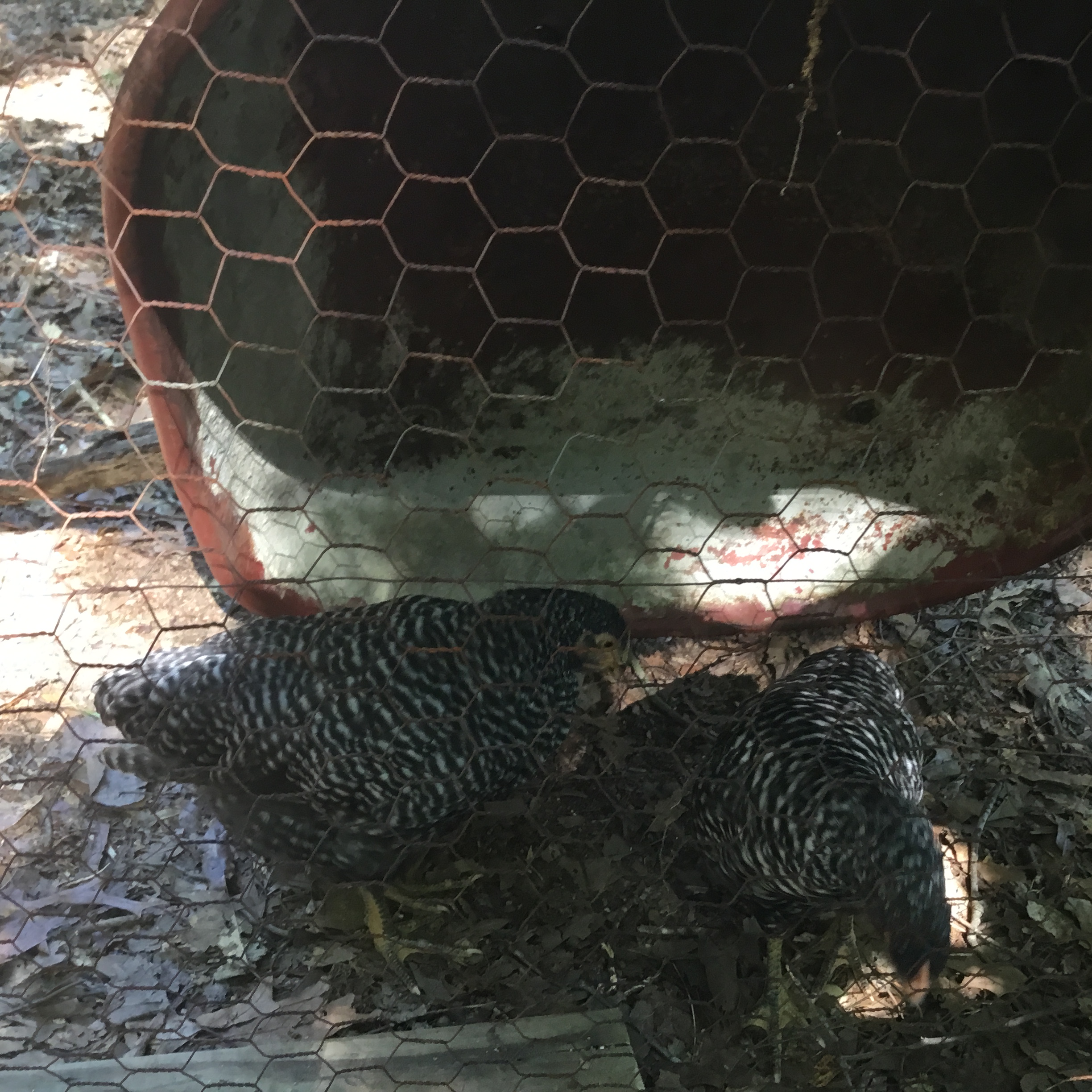
Inspired by one of my all time favorite television shows, Shaun the Sheep, I put my very own mini-junkyard in my new chicken fortress (the sheep flock in the show spend hours jimmying with the discards in their junkyard) . It’s only an old wheelbarrow, but the chicks can run for cover under it whenever they get buzzed by a hawk. Just today, the entire flock was snoozing under it.
The old fellow lost its wheel while getting dragged up there to the fortress. I hand mixed tons of concrete in this thing, and the dents prove it. No worries, however–I have a new red wheelbarrow.
Four Feet and Climbing. If this is Dwarf, I sure don’t want to see Giant.
Dwarf Gray Sugar is the best edible podded pea for this part of the South, the lower Southern Appalachians. First introduced in 1881, this has heirloom strength combined with vigorous growth. It also has ornamental bicolor pink and purple blossoms.
Pease Blossom
Plant Details
Planting Time
Early spring or early fall. Spring is the best time for planting here, on the border between USDA hardiness zones 7 & 8. Global warming (ACD-Anthropogenic Climate Disruption) has made the timing a crap shoot, and I now bet on mid-February. A few years ago our last freeze date was February 9; this year, March 30. Roll the dice, and be ready to re-plant.
Planting Depth
1″, as with most peas.
Spacing
For reasons explained below, I don’t plant rows, but arrange the peas a couple of inches apart around my tomato cage trellis, which is tomato cages arranged in a zig zag pattern. I hang garden twine off the tops to provide more support for the vines.
Plant Height
Dwarf, you say? Here’s where I get to quote Stanley Kowalski telling off Blanche DuBois in A Streetcar Named Desire: “And do you know what I say? Ha ha! Do you hear me? Ha ha ha!” The first time I planted these I believed the “doesn’t need a trellis” bit, and they fell over at about four feet tall. I would write off this year’s growth to the 19″ of rain we’ve had since February 1, but they grow like this every year.
Pods
Still tender at 3″; also stringless.
Time to Harvest
Depending on weather, anywhere from 70 to 100 days in our climate.
There really aren’t any fertilization requirements, as peas are nitrogen setting. A fertile soil never hurts, however.
The most famous Southern pea eater was Thomas Jefferson, who participated in a pea growing competition every year in his part of Albemarle County, Virginia. The winner was the farmer who could produce the earliest crop. However, even then, Jefferson noted that green peas were being replaced by the African crop field peas, because of their heat tolerance.
For the record, our terminology is as follows: Pisum sativum varieties are known here as English peas or green peas; the more common Vigna unguiculata are known as field peas and cowpeas, though usually just peas. Most modern Southerners have probably never seen a fresh English pea.
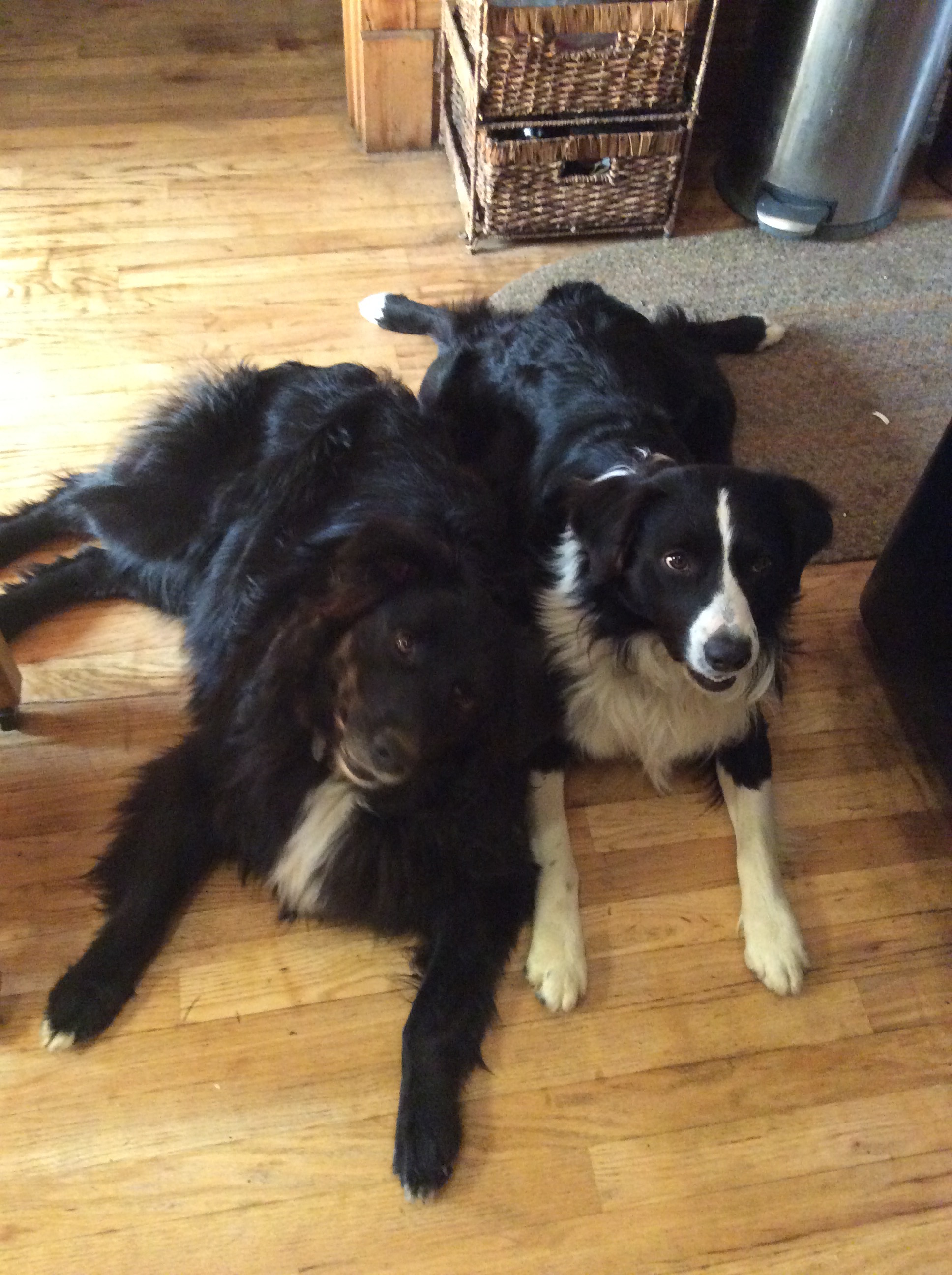
Emma is on the left, Ziggy (Siegfried) is on the right. They’re Australian Shepherds who are supposed to guard the garden, the chickens and the bird feeders, but they mostly troll for table scraps. Shocking.
I grew up on a farm where we had 10,000 chickens a year, and plots of fifteen acres of pink eye purple hull peas. No more of that. Here’s a typical spring garden now.
Neviusia
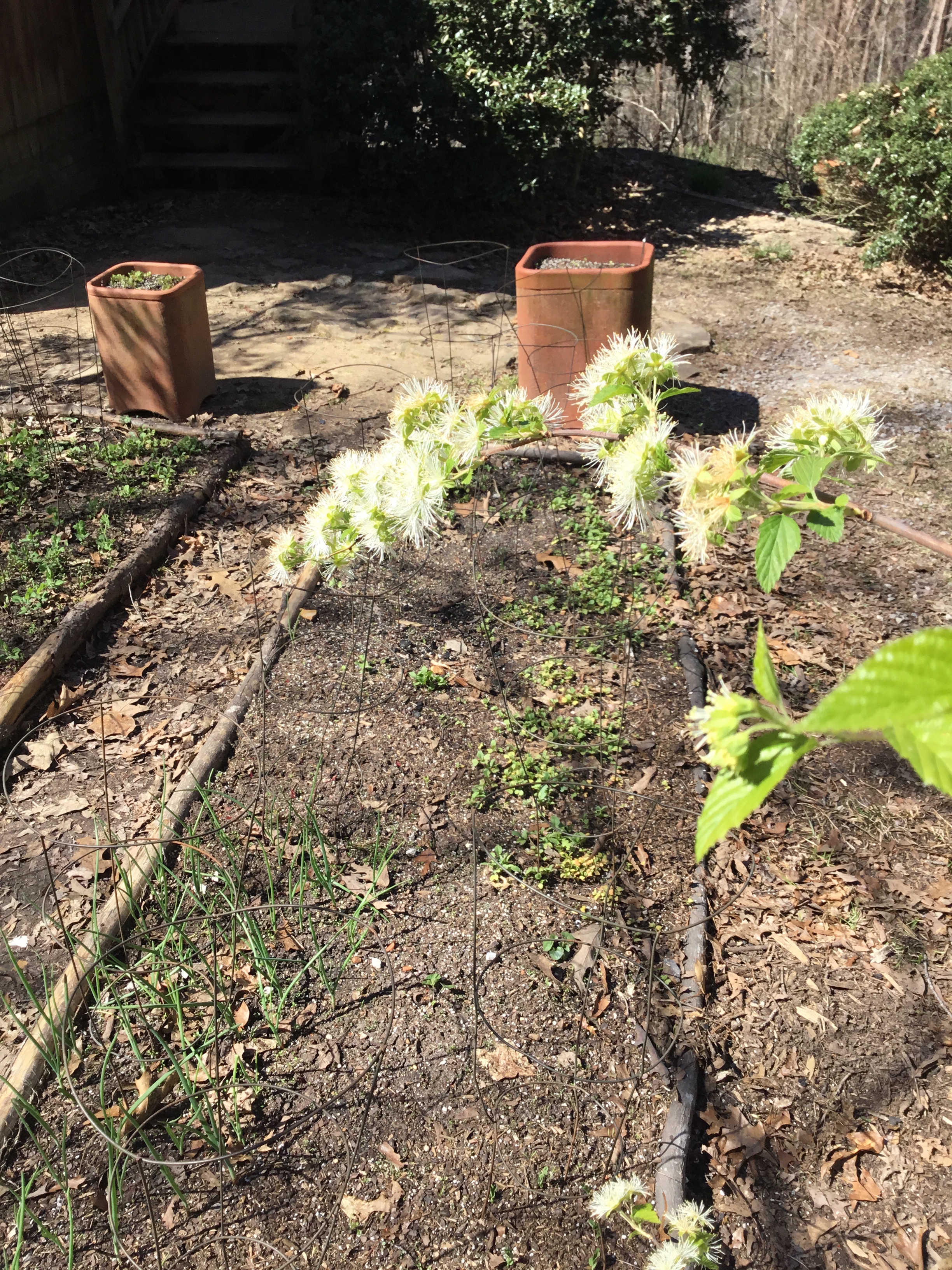
That’s Alabama Snow Wreath, Neviusia alabamensis, standing guard over my scallions, radishes, and peas. It’s an incredibly rare shrub. We’re already eating the scallions, and the mizuna will be next. Then comes the spring favorite: PEAS.
Green Arrow Peas, and more Mizuna
This is my first year growing Green Arrow english peas. So far the weather has been perfect, and I’ll hopefully have a recipe with fresh peas to share in a month or so.
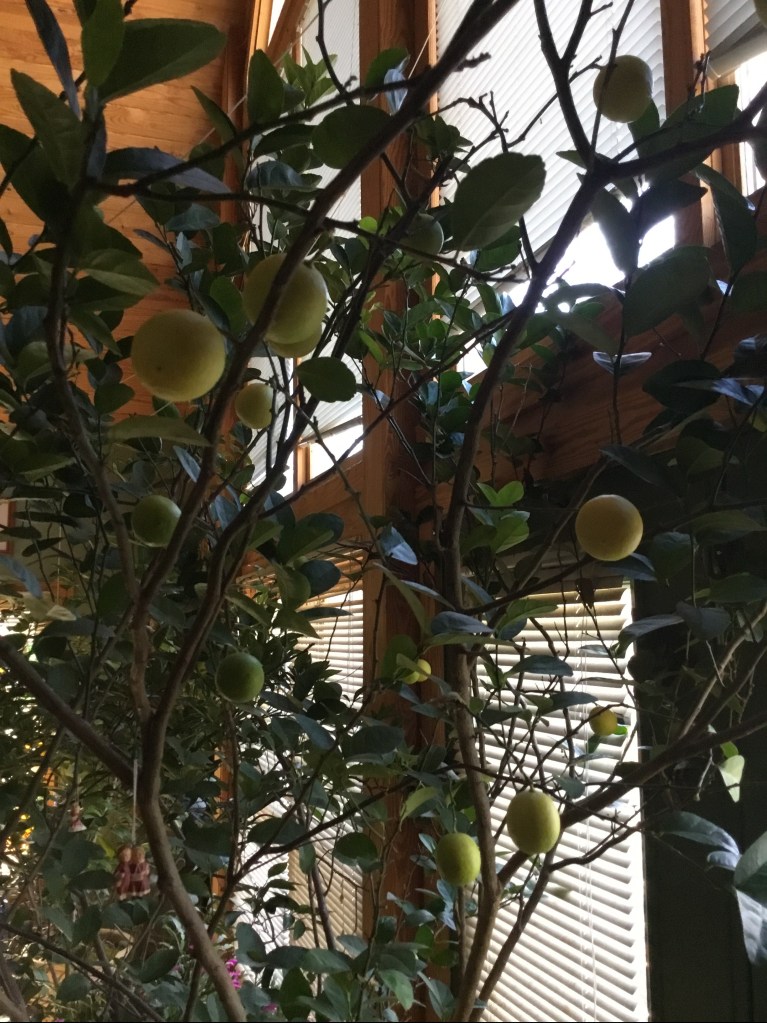
Key Lime and Meyer Lemon, grown north of Birmingham, Alabama.
Our latitude here may be more or less the same as northern Morocco and Libya, but it still gets nice and cold. The hardiest citrus plants would still survive outside during the winter, but the problem is that the fruit would not. Who wants that? The answer is growing in pots, aka containers.
The advice here is simple: buy the largest size container you can handle, and then get a plant trolley/buggy to wheel them around with. I made my own out of pressure treated pine. We wheel our plants in in November and put them outside in April. The honeybees love the blooms, and can locate them within minutes of putting the plants outside. It’s almost scary.
Our favorite varieties are the Key Lime pictured, Satsuma Mandarin Oranges, and Meyer Lemon. Year in and out the Meyer is the best, though it is really a hybrid between lemons and oranges. Even in a container it has enormous fruit.
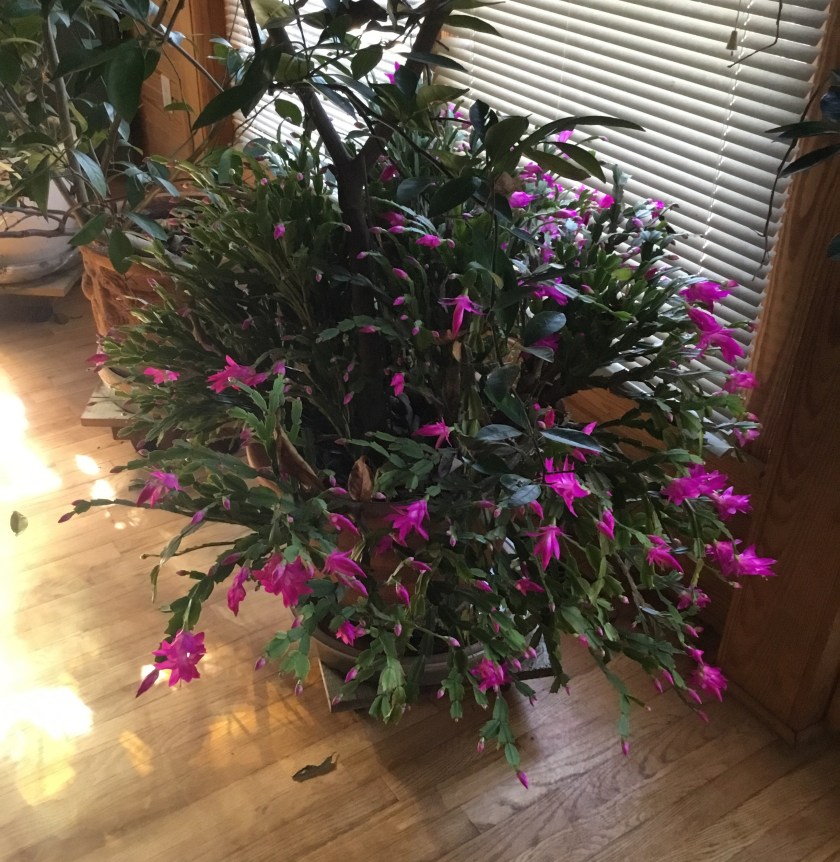
You can also underplant your citrus with something like Christmas Cactus, to make it more decorative.







 Southern Fusion Cooking